

Moroccan solid wood furniture

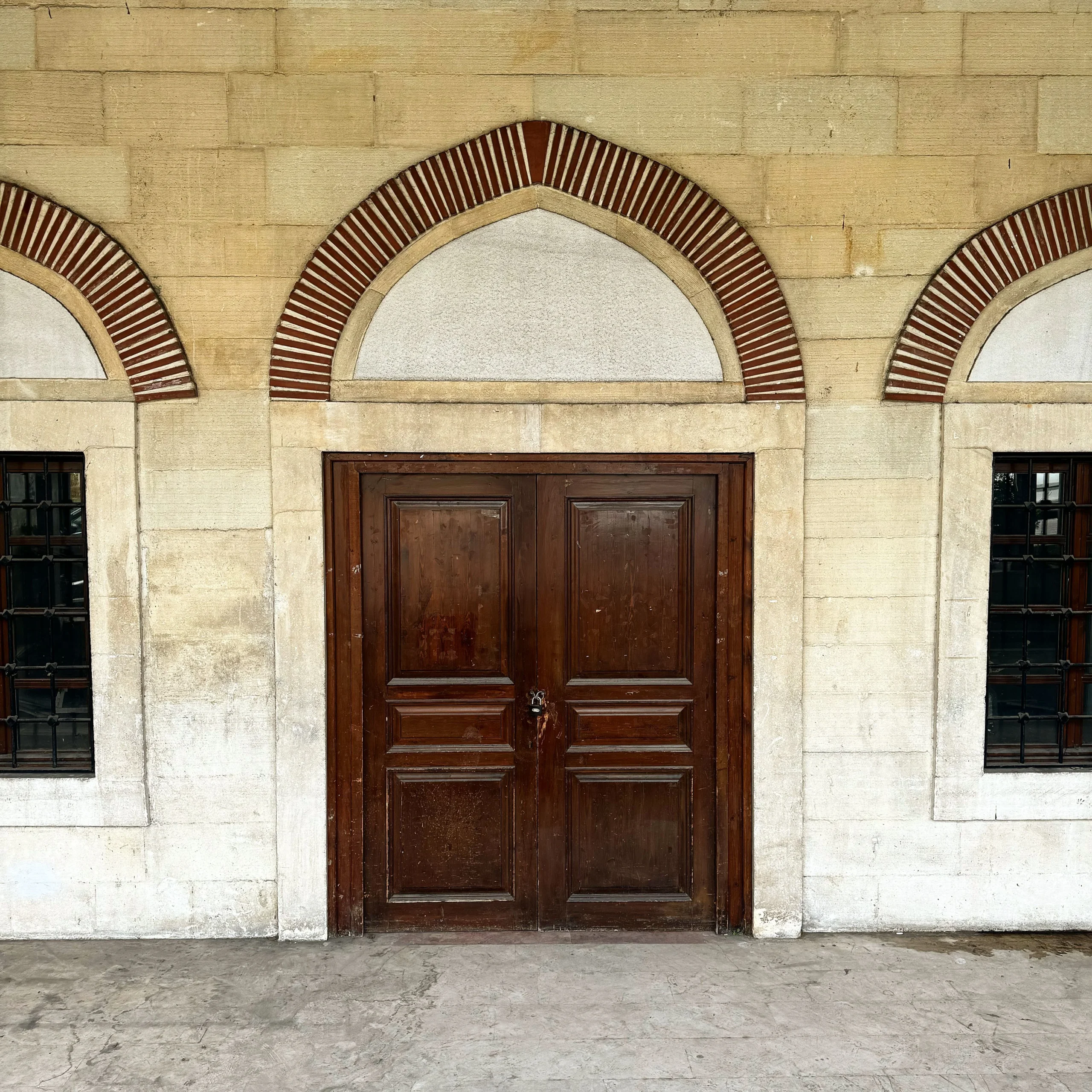
Moroccan Solid Wood forniture does more than fill a room. It shapes how the space feels, how it functions, and what people remember about it.
For buyers tired of generic designs and disposable materials, Moroccan solid wood furniture offers a more meaningful alternative. It brings together practical function, natural texture, hand-carved detail, and a design language shaped by generations of Moroccan craftsmanship.
From carved sideboards and cabinets to beds, wardrobes, tables, and wooden doors, each piece can introduce warmth and architectural character without overwhelming the interior. The result is furniture that feels collected rather than mass-produced.
At Tamazart Studio, this approach begins in Marrakech. Moroccan, Amazigh, and Arab-Andalusian influences are interpreted through carved wood, balanced proportions, natural materials, and custom artisan work for homes and professional interiors around the world. an Solid Wood Furniture Feels Different
Industrial furniture is generally designed around repetition. Dimensions, finishes, components, and decorative details must remain identical so that large quantities can be produced efficiently.
Handmade Moroccan furniture follows another rhythm.
The artisan pays attention to the grain of the wood, the depth of the carving, the balance of the pattern, and the relationship between decoration and function. Small variations are not necessarily defects. They are evidence that the piece was shaped and finished by human hands.
This difference can be seen in several ways:
- Carved surfaces have visual depth and texture.
- Natural grain gives every piece its own character.
- Patterns feel integrated into the construction rather than printed onto it.
- Custom dimensions can respond to a specific room or project.
- The furniture carries a recognizable cultural and artistic identity.
A solid wood Moroccan cabinet is not merely a storage box with decoration added to the front. Its doors, proportions, carving, hardware, finish, and interior configuration can work together as a complete design.
The Problem with Furniture That Looks Generic
Many homeowners and design professionals face the same problem: a room may be functional, but it lacks personality.
Mass-produced furniture can solve an immediate practical need, yet it often leaves the interior feeling temporary or visually flat. Repeated veneers, imitation textures, and standardized details may struggle to create the warmth expected in a private home, boutique hotel, riad, restaurant, or design-led retail space.
Moroccan solid wood furniture addresses this problem by adding:
- Natural warmth through visible wood grain and hand-applied finishes
- Visual identity through carved geometric and heritage-inspired patterns
- Architectural presence through substantial doors, headboards, cabinets, and wardrobes
- Personal relevance through custom dimensions and design choices
- A focal point that can anchor an otherwise simple room
Not every space needs several ornate pieces. In many interiors, one carefully selected Moroccan sideboard or carved cabinet is enough to transform the atmosphere.
Marrakech Craftsmanship and the Value of Place
Marrakech has long been associated with workshops, souks, riads, carved doors, decorative plaster, metalwork, textiles, and woodcraft. Its design identity is built through layers rather than a single decorative formula.
Moroccan furniture can draw inspiration from several traditions:
- Amazigh symbols and rhythmic geometric motifs
- Arab-Andalusian symmetry and architectural patterns
- Riad doors, arches, screens, and interior woodwork
- Natural materials found throughout Moroccan interiors
- Hand-carved details passed between generations of craftspeople
Authentic design does not require copying an old piece exactly. It can preserve the spirit of Moroccan craftsmanship while adapting the scale, finish, storage, and function to contemporary interiors.
This balance is central to Tamazart Studio’s work: connecting Marrakech artisan know-how with the practical expectations of modern homeowners, interior designers, architects, retailers, and hospitality buyers.
Popular Types of Moroccan Solid Wood Furniture
Moroccan Sideboards and Buffet Cabinets
A hand-carved Moroccan sideboard combines storage with strong decorative value. It can be used in:
- Dining rooms for tableware and linens
- Living rooms as a media or display cabinet
- Entryways as a focal point
- Hotel reception areas
- Restaurants and private dining spaces
- Boutiques and concept stores
Before choosing a sideboard, consider its width, depth, internal shelving, door clearance, and relationship with nearby furniture.
In a modern room, a carved sideboard can be paired with neutral walls, simple lighting, linen curtains, stone accessories, or understated ceramics. This allows the craftsmanship to stand out without making the room feel crowded.
Hand-Carved Cabinets
A Moroccan cabinet works well when storage is needed in a smaller footprint. Depending on the design, it may be used for books, tableware, textiles, decorative objects, retail displays, or everyday household items.
The carving pattern affects the overall mood. Dense, intricate carving creates a more traditional statement, while restrained geometry can integrate easily into contemporary interiors.
Solid Wood Beds and Headboards
A carved Moroccan bed or headboard can give a bedroom an architectural focal point. It works particularly well in spaces that use natural textiles, warm lighting, woven rugs, plaster walls, or simple bedside furniture.
Important details to discuss before ordering include:
- Mattress dimensions
- Overall frame dimensions
- Headboard height
- Required support structure
- Room access and assembly needs
- Preferred finish and carving style
Tamazart Studio presents handmade beds and headboards among its Marrakech-crafted furniture categories, with custom solid wood options available for project discussion. Wardrobes
A solid wood wardrobe offers both practical storage and significant visual presence. Custom planning is especially valuable because wardrobes must respond to ceiling height, available wall width, door movement, shelves, hanging space, and room circulation.
A well-proportioned carved wardrobe can feel like part of the architecture rather than a freestanding object placed against the wall.
Hand-Carved Moroccan Doors
A Moroccan wooden door can become one of the most memorable features in a home or commercial interior.
It may be designed for use as:
- A main entrance
- An interior passage door
- A wardrobe or closet front
- A sliding or decorative panel
- A feature wall
- A hospitality or restaurant entrance
- An architectural element in a boutique or showroom
For door projects, accurate measurements and installation planning are essential. The frame, wall construction, hardware, opening direction, clearance, weight, and final location should be discussed before production.
Tables, Vanities, Bookshelves, and Custom Pieces
Moroccan craftsmanship is not limited to large statement furniture. Tables, consoles, vanities, bookshelves, chairs, benches, and other made-to-order pieces can carry the same carved details and material character.
Tamazart Studio presents a broad range of handmade furniture types, including sideboards, cabinets, beds, wardrobes, doors, tables, vanities, bookshelves, chairs, and custom-made pieces. Availability and customization should be confirmed for each individual project. he Right Wood, Finish, and Carving
“Solid wood” describes the construction material, but it does not automatically tell you everything about the finished piece. Buyers should also consider the wood species, joinery, finish, carving depth, maintenance needs, and intended environment.
Ask About the Wood Species
Different woods have different grain patterns, tones, weights, working characteristics, and reactions to humidity.
Cedar is associated with Moroccan woodcraft and appears in some Tamazart Studio furniture. However, the appropriate wood and its availability should be confirmed for each design rather than assumed from a photograph or category name. Finish That Fits the Room
A finish can significantly change the personality of the same carved design.
Possible directions may include:
- Natural or lightly finished wood
- Warm honey or amber tones
- Darker traditional finishes
- Whitewashed or softly aged effects
- Matte or satin surfaces
- Painted details
- Mixed wood and metal accents
The finish should be considered alongside the room’s flooring, wall color, natural light, fabrics, and existing furniture.
Choose the Right Level of Carving
Highly detailed carving creates drama and is well suited to focal pieces. Simpler carving can be easier to combine with modern furniture.
For a balanced interior, decide whether the Moroccan furniture should be:
- The main visual statement
- One layer within an eclectic room
- A subtle reference to Moroccan heritage
- Part of a complete custom design concept
More decoration is not automatically better. Proportion and placement matter far more than filling every surface with pattern.
How Moroccan Furniture Works in Modern Interiors
Moroccan solid wood furniture does not require an entirely Moroccan-themed room. In fact, it often has greater impact when placed within a restrained contemporary setting.
Use One Statement Piece
Start with a carved sideboard, cabinet, headboard, or door. Give it enough visual space and avoid surrounding it with several competing patterns.
Keep the Background Calm
Neutral plaster, warm white paint, limewash effects, stone, concrete, and plain textiles allow carved wood to become the visual focus.
Repeat Materials, Not Motifs
Instead of repeating the same Moroccan pattern throughout the room, repeat natural materials such as wood, wool, linen, clay, leather, or metal.
This creates cohesion without turning the interior into a themed set.
Balance Old and New
A carved Moroccan cabinet can sit beside a modern sofa. A handmade headboard can be paired with minimal bedside tables. A traditional door can become an architectural feature in a contemporary hallway.
Contrast often makes the craftsmanship easier to appreciate.
Pay Attention to Scale
Large carved furniture needs room to breathe. Measure the wall, circulation space, doorway access, ceiling height, and nearby furniture before ordering.
A beautiful piece can still feel wrong if its proportions do not suit the room.
The Benefits of Custom Moroccan Furniture
Standard-size furniture forces the buyer to adapt the room to the product. Custom furniture allows the product to respond to the room.
This is valuable when:
- A wall has unusual dimensions
- More or less storage is required
- A bed must fit a particular mattress size
- A wardrobe needs a specific internal configuration
- A hotel requires related pieces across several rooms
- A designer wants a consistent carving or finish
- A boutique needs distinctive display furniture
- An architectural project requires custom doors or panels
A custom order may involve decisions about:
- Dimensions
- Furniture type
- Internal shelves or compartments
- Door and drawer layout
- Carving pattern
- Finish and tone
- Hardware direction
- Decorative influences
- Intended use
- Project quantity
Clear communication is essential. Reference images can help explain a design direction, but accurate measurements and written requirements are equally important.
Furniture for Hotels, Riads, Restaurants, and Boutiques
Commercial interiors compete for attention. Guests and customers remember spaces that feel specific, not interchangeable.
Moroccan solid wood furniture can help create that identity in:
- Boutique hotels
- Riads and guesthouses
- Villas and holiday properties
- Restaurants and cafés
- Wellness spaces
- Concept stores
- Fashion and lifestyle boutiques
- Interior design showrooms
A carved reception desk, sideboard, wardrobe, bed, or door can become part of the business’s visual story. For multi-piece projects, consistency in scale, finish, and design direction should be planned before production begins.
Professional buyers should prepare information about quantities, categories, dimensions, destination, intended use, and preferred design language when requesting a quotation or discussing wholesale requirements.
Retail and Wholesale Moroccan Furniture
Individual buyers may be searching for one statement piece, while retailers, designers, and hospitality groups may require several items or a coordinated collection.
Tamazart Studio works with retail and professional inquiries for handmade Moroccan furniture from Marrakech. Requests can involve individual pieces, custom designs, wholesale sourcing, or project-based collections. essional inquiry should include:
- Required furniture categories
- Approximate dimensions
- Number of pieces
- Preferred design direction
- Finish references
- Project location
- Intended installation environment
- Target project schedule
- Access or installation considerations
- Photographs, drawings, or mood boards
Providing this information early reduces misunderstandings and helps determine what is realistically possible.
What to Check Before Ordering
Buying handmade furniture requires more thought than adding a standardized item to an online cart.
Before confirming an order, review the following:
Measurements
Record the available width, height, and depth. Check skirting boards, sockets, windows, radiators, door swings, and walking space.
Delivery Access
Measure entrances, lifts, corridors, staircases, and tight corners. A wardrobe that fits the bedroom may not fit through the staircase.
Function
Decide exactly what the furniture must store or support. Internal shelves, rails, cable openings, drawer depth, and door layout should be discussed before production.
Handmade Variations
Natural grain, carving, finish, and tone can vary slightly. These variations are part of the handmade character, but expectations should still be discussed clearly.
Installation
Confirm whether the piece arrives assembled, partially assembled, or requires local installation. Doors and architectural elements may need an experienced installer at the destination.
International Logistics
For international projects, discuss packaging, freight, customs responsibilities, destination access, and required documentation directly with the seller. Do not assume that every destination or delivery method follows the same process.
Caring for Moroccan Solid Wood Furniture
Care requirements depend on the wood and finish, so maker-specific instructions should always take priority.
General precautions include:
- Dust with a soft, dry or slightly damp cloth.
- Wipe spills promptly.
- Avoid leaving standing water on the surface.
- Do not use harsh cleaners without checking finish compatibility.
- Keep the furniture away from direct heat sources.
- Use coasters, mats, and protective pads where appropriate.
- Avoid dragging heavy or abrasive objects across the surface.
- Monitor rooms with extreme changes in humidity.
- Ask before applying wax, oil, polish, or restorative products.
Carved areas can be cleaned gently with a soft brush or suitable attachment. Aggressive scrubbing may damage delicate details or alter the finish.
Frequently Asked Questions
What is Moroccan solid wood furniture?
Moroccan solid wood furniture is made using natural wood and design influences associated with Moroccan craftsmanship. It may feature hand carving, geometric patterns, Amazigh motifs, Arab-Andalusian details, natural finishes, or architectural forms inspired by Moroccan interiors.
Is Moroccan solid wood furniture handmade?
Some Moroccan furniture is handmade, while other products may be machine-produced or merely inspired by Moroccan style. Buyers should ask how the piece is constructed, carved, assembled, and finished rather than relying only on its appearance.
What types of Moroccan furniture can be customized?
Depending on the workshop and project, customization may be possible for sideboards, cabinets, beds, headboards, wardrobes, doors, tables, vanities, bookshelves, seating, and other furniture. Dimensions, carving, finish, storage, and layout should be confirmed individually.
Can Moroccan furniture work in a contemporary home?
Yes. A single carved cabinet, sideboard, bed, or door can add warmth and texture to a modern interior. Combining it with neutral colors, plain textiles, and uncluttered furniture helps create balance.
Is solid wood better than engineered wood?
Neither material is automatically suitable for every situation. Solid wood is valued for its natural grain, repair potential, and material character. Engineered materials may offer other practical advantages depending on construction and environment. Buyers should compare the entire piece, including joinery, finish, design, intended use, and maintenance.
Are small variations normal in handmade furniture?
Yes. Minor differences in grain, carving, tone, and finish are common in handmade work. They help distinguish artisan furniture from identical factory production. Significant requirements should still be agreed upon before ordering.
Can I request Moroccan furniture for a hotel or retail project?
Yes. Handmade Moroccan furniture can be considered for hotels, riads, villas, restaurants, boutiques, concept stores, and design projects. Professional buyers should provide quantities, dimensions, destination, intended use, and design references.
Does Tamazart Studio accept retail and wholesale inquiries?
Tamazart Studio presents both retail and wholesale options for Moroccan furniture. The feasibility of each request depends on the piece, quantity, customization, destination, and project requirements. rmation should I send for a custom order?
Send the furniture type, dimensions, quantity, intended use, finish preference, carving direction, destination, reference images, and any installation constraints. More complete information usually leads to a clearer discussion.
How should I choose an authentic Moroccan furniture maker?
Review the maker’s connection to Moroccan craft, materials, carving methods, customization process, communication, and real product details. Ask specific questions instead of relying only on decorative photographs.
Bring Marrakech Craftsmanship into Your Interior
Moroccan solid wood furniture offers more than an attractive surface. It brings natural material, human skill, cultural influence, and functional design into the same piece.
Whether you are furnishing a private home, planning a boutique hotel, developing a retail interior, or sourcing a custom collection, the right furniture should suit both the atmosphere and the practical needs of the space.
Tamazart Studio creates handmade Moroccan heritage furniture from Marrakech, shaped by carved wood traditions, natural materials, custom design, and Moroccan artisan know-how.
Explore its sideboards, cabinets, beds, wardrobes, doors, and made-to-order possibilities, or contact the studio with your dimensions and project requirements to begin discussing a distinctive handmade piece.