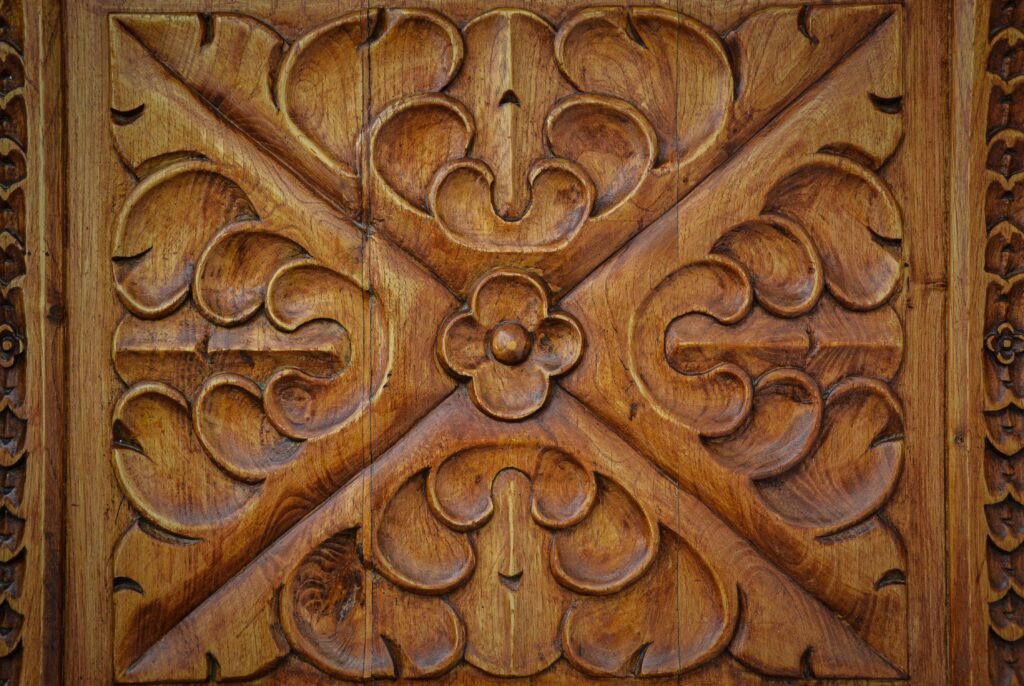

Moroccan Cedar Wood Furniture: Authentic Craftsmanship from Marrakech

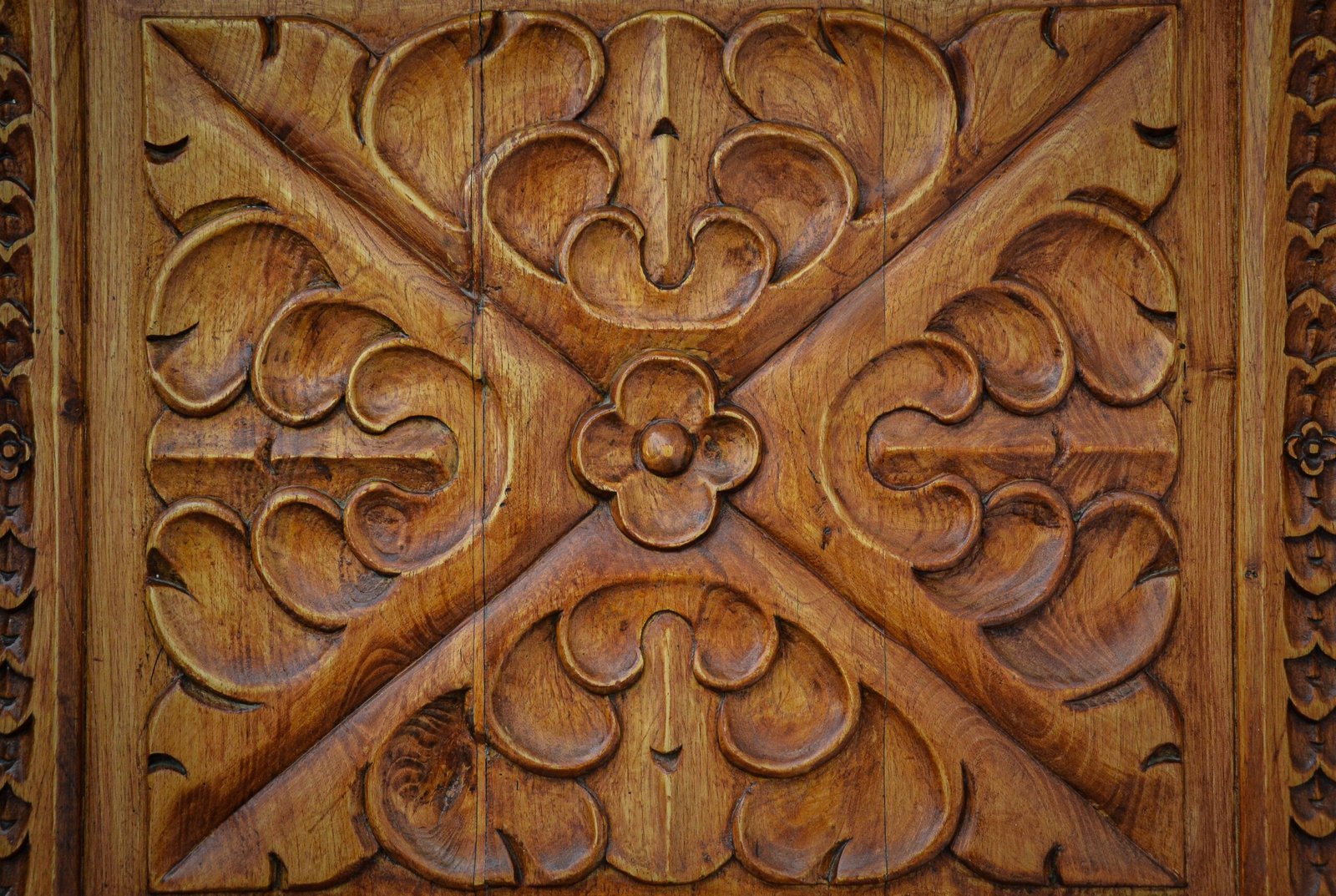
Moroccan cedar wood furniture has a presence that factory-made pieces rarely achieve. Its warm natural tones, aromatic character, visible grain, and hand-carved details bring depth to a room without making it feel artificial or overly decorated.
Yet choosing authentic Moroccan furniture can be difficult, especially when many products described as “Moroccan style” are manufactured far from Morocco using printed patterns, composite boards, or machine-cut decoration.
The difference lies in the material, the construction, and the hands behind the piece.
At Tamazart Studio, Moroccan furniture is connected to the artisan traditions of Marrakech. Carved wooden sideboards, cabinets, beds, wardrobes, doors, tables, and custom pieces are shaped by Moroccan craftsmanship and influenced by Amazigh, Arab-Andalusian, and wider Moroccan design traditions.
This guide explains what makes cedar furniture special, how to choose an authentic piece, and how to use Moroccan craftsmanship in modern homes, hospitality interiors, and commercial projects.
What Is Moroccan Cedar Wood Furniture?
Moroccan cedar wood furniture refers to furniture made from cedar and designed or crafted according to Moroccan woodworking traditions.
It may include:
- Hand-carved Moroccan sideboards
- Cedar wood cabinets
- Custom wardrobes
- Decorative wooden doors
- Moroccan beds and headboards
- Coffee and salon tables
- Bathroom vanities
- Bookshelves and display furniture
- Made-to-measure architectural pieces
Many designs feature geometric carving, floral details, repeating patterns, sculpted door panels, arched forms, or restrained decorative borders. Other pieces take a quieter approach, combining a simple silhouette with natural wood grain and a limited amount of carving.
Moroccan cedar furniture should not be defined by ornament alone. Authenticity also comes from proportion, joinery, material selection, finishing, and the artisan’s understanding of how a pattern belongs within the structure.
Why Cedar Has a Special Place in Moroccan Woodwork
Cedar is valued for its recognizable fragrance, visual warmth, and suitability for furniture, finish carpentry, and detailed woodworking. Atlas cedar, a species native to Morocco and Algeria, has historically been used in North African architecture and carpentry.
Its grain and color can give furniture a rich but natural appearance. Depending on the selected boards and finish, cedar furniture may feel rustic, refined, traditional, contemporary, or somewhere between these styles.
The wood is also associated with an important architectural heritage. Cedar elements have appeared in doors, ceilings, screens, panels, storage furniture, and decorative interiors across Morocco.
However, buyers should avoid assuming that every product marketed as “Moroccan cedar” uses the same cedar species or sourcing method. Before ordering, it is reasonable to ask the maker about the wood type, construction, finish, and origin.
What Makes Hand-Carved Cedar Furniture Different?
The difference begins before the carving is added.
An artisan must first consider the shape of the furniture, the movement of the wood grain, the thickness of the panels, the function of the piece, and the visual balance of the pattern.
On a well-designed Moroccan sideboard, for example, the carving should work with the doors and frame. It should not look like a decorative layer attached to an unrelated cabinet.
Hand-carved furniture may also show small variations in depth, line, texture, or symmetry. These are not necessarily defects. They are often evidence that the surface was shaped individually rather than reproduced by an automated machine.
That human variation gives Moroccan cedar wood furniture its identity. Two pieces based on the same design can still have their own grain, tonal movement, and carving character.
Moroccan Cedar Furniture Versus Industrial Furniture
Industrial furniture is built around speed, repeatability, standardized dimensions, and efficient transportation. Those qualities may be useful when someone needs inexpensive furniture immediately.
Handmade Moroccan furniture serves a different purpose.
It is chosen for:
- Individual character
- Natural wood texture
- Artisan construction
- Cultural design influence
- Custom dimensions
- Decorative carving
- Long-term visual relevance
- A stronger connection between furniture and place
A handmade piece can become the visual anchor of an interior. Instead of filling an empty wall with several generic objects, one carved cedar cabinet can give the entire room a clear identity.
The decision is therefore not simply handmade versus manufactured. It is a choice between furniture treated as a temporary commodity and furniture selected as part of the architecture and story of a space.
How to Recognize Authentic Moroccan Cedar Wood Furniture
Look closely at the material
Natural wood contains grain movement, tonal differences, knots, and subtle variations. A perfectly repeated surface may indicate veneer, printed material, or engineered board.
Ask whether the visible exterior, doors, frame, shelves, and internal components use the same material. Solid-wood construction and veneered construction are not automatically equal, so the details should be explained clearly.
Examine the carving
Hand carving usually has depth. Light interacts with it differently throughout the day, creating shadows that make the surface feel architectural.
Flat decoration, shallow machine routing, and printed motifs may imitate the appearance of carved furniture from a distance, but they do not create the same tactile quality.
Study the proportions
Authentic design is not simply a collection of Moroccan symbols. The width of the frame, the placement of the handles, the rhythm of the doors, and the density of the carving should feel balanced.
Too many unrelated patterns can make a piece feel busy. Strong Moroccan furniture often uses repetition and geometry with considerable discipline.
Ask who made it
A trustworthy seller should be able to explain where the furniture is made and how the design is developed.
Tamazart Studio’s work is rooted in Marrakech and includes hand-carved furniture, natural materials, custom pieces, and designs influenced by Moroccan craft traditions. Its collections cover sideboards, cabinets, beds, wardrobes, doors, tables, vanities, and other furniture categories.
Request useful product information
Before purchasing or approving a custom order, ask about:
- Overall dimensions
- Internal storage dimensions
- Wood type
- Construction method
- Finish
- Carving style
- Door and drawer configuration
- Hardware
- Care requirements
- Customization possibilities
- Packaging and delivery arrangements
Clear questions prevent the kind of disappointment humans traditionally reserve for furniture that cannot pass through their doorway.
Choosing the Right Moroccan Cedar Piece for Your Space
Cedar sideboards and cabinets
A Moroccan cedar sideboard works well in a dining room, living room, entrance, bedroom, or hospitality space.
Before choosing one, decide what it needs to store. Tableware requires a different internal layout from media equipment, linens, clothing, or retail products.
A richly carved sideboard can become the main feature of a simple room. In a more layered interior, a restrained carving pattern may create better balance.
Beds and headboards
A carved Moroccan headboard can introduce craftsmanship without requiring every item in the bedroom to follow the same style.
It works particularly well with:
- Plain natural bedding
- Linen or cotton textiles
- Plaster or limewashed walls
- Soft neutral colors
- Handmade bedside tables
- Warm indirect lighting
For a custom bed, accurate mattress dimensions and room measurements are essential.
Wardrobes and storage furniture
Custom wardrobes are useful when standard furniture leaves wasted space or fails to suit the architecture.
A made-to-measure Moroccan wardrobe can be planned around hanging space, shelves, drawers, room height, and door clearance. Decorative panels can then be adapted to the scale of the structure rather than forced onto a standard factory format.
Moroccan doors
A carved wooden door can function as an entrance, internal door, wardrobe front, decorative panel, or architectural feature.
Because doors interact with walls, floors, hinges, and frames, technical measurements matter as much as the carving. For renovation or construction projects, the opening dimensions and installation requirements should be confirmed before production.
Tables and smaller furniture
Coffee tables, salon tables, consoles, and side tables offer an easier way to introduce Moroccan cedar wood furniture into an existing interior.
They are especially useful when the room already contains major furniture pieces and needs one element with more warmth and texture.
Styling Moroccan Cedar Wood Furniture in a Modern Home
Moroccan furniture does not require a fully themed interior. In fact, it often looks stronger when placed within a quieter setting.
Keep the surrounding palette simple
Warm white, sand, clay, stone, charcoal, olive, and muted earth tones allow cedar and carved details to remain visible.
Create contrast
A carved wooden cabinet can soften a minimalist room. A clean modern lamp above an artisan sideboard can also prevent the space from looking like a historical recreation.
Leave room around the piece
Detailed furniture needs visual breathing space. Avoid placing too many small decorative objects directly beside intricate carving.
Repeat materials, not motifs
Instead of repeating Moroccan patterns everywhere, repeat natural materials such as wood, wool, linen, ceramic, brass, or hand-finished plaster.
This creates cohesion without turning the room into a souvenir shop, a fate no respectable cabinet deserves.
Use lighting to reveal the carving
Side lighting and warm ambient lighting create gentle shadows across the carved surface. Harsh overhead light may flatten the detail.
Custom Moroccan Cedar Furniture
Custom furniture is useful when the room, function, or design brief cannot be solved with a standard product.
A custom inquiry may begin with a photograph, sketch, room plan, or reference piece. The design can then be refined around practical requirements.
Helpful information includes:
- Furniture type
- Required dimensions
- Intended use
- Preferred wood tone
- Carving density
- Interior storage layout
- Number of doors or drawers
- Room photographs
- Inspiration images
- Quantity
- Delivery destination
- Retail or professional project requirements
Customization does not always mean adding more decoration. It may involve simplifying a carving, adjusting proportions, creating a slimmer cabinet, changing the internal storage, or coordinating several pieces across one project.
Moroccan Furniture for Hotels, Villas, Restaurants, and Boutiques
Hospitality and retail spaces need more than functional furniture. They need atmosphere and a visual identity that guests or customers can remember.
Moroccan cedar wood furniture can be used in:
- Boutique hotels
- Riads
- Villas
- Restaurants
- Spas
- Reception areas
- Concept stores
- Fashion boutiques
- Showrooms
- Private clubs
- Design-led offices
For commercial projects, consistency should be discussed carefully. Handmade pieces will naturally contain variation, but dimensions, finish direction, carving language, and functional details can be coordinated across a collection.
Professional buyers should provide project timelines, quantities, room schedules, plans, and installation requirements as early as possible.
Tamazart Studio works with both retail and wholesale inquiries, including custom furniture for private and professional interiors.
Caring for Moroccan Cedar Wood Furniture
Cedar furniture should be treated as natural wood, not as an indestructible decorative object.
Use these basic care habits:
- Dust with a soft, dry cloth.
- Clean spills promptly.
- Avoid abrasive cleaners.
- Do not leave wet objects directly on the surface.
- Use coasters or protective pads where needed.
- Keep furniture away from intense, continuous heat.
- Avoid prolonged exposure to harsh direct sunlight.
- Lift furniture rather than dragging it.
- Follow the maker’s instructions before applying wax, oil, or polish.
Natural wood responds to humidity and temperature. Small changes over time are part of the material’s character, although appropriate indoor placement and regular care help protect the piece.
Questions to Ask Before Ordering
Before confirming an order, ask:
- Is the piece handmade in Morocco?
- What wood is used?
- Which parts are solid wood?
- Can the dimensions be customized?
- Can the internal storage be changed?
- What finish is applied?
- Will natural variations be visible?
- What measurements must I confirm?
- Is the piece intended for indoor or outdoor use?
- What care does it require?
- Are retail and wholesale orders available?
- What information is needed for an international delivery quotation?
A serious maker will welcome precise questions. Ambiguity is charming in poetry, less so in a two-meter wardrobe.
Frequently Asked Questions
What is Moroccan cedar wood furniture?
Moroccan cedar wood furniture is furniture made from cedar and shaped by Moroccan woodworking traditions. It may feature hand-carved geometric, floral, architectural, Amazigh, or Arab-Andalusian-inspired details.
Is Moroccan cedar furniture handmade?
Authentic pieces are commonly carved, assembled, and finished by artisans. Buyers should still verify where and how a specific item is produced, since “Moroccan style” does not always mean made in Morocco.
Is cedar suitable for carved furniture?
Cedar has long been used for furniture, carpentry, decorative woodwork, and architectural elements. Its fragrance, color, and workability make it well suited to pieces where natural material and carved detail are important.
Can Moroccan cedar furniture work in a contemporary interior?
Yes. A single carved cabinet, headboard, table, or door can add texture to a contemporary room. Neutral surroundings and clean-lined furniture help create balance.
Can I request custom dimensions?
Custom dimensions may be available for made-to-order pieces. Provide accurate room measurements, required storage, access limitations, and photographs when requesting a quotation.
What types of cedar furniture does Tamazart Studio offer?
Tamazart Studio presents handmade Moroccan sideboards, cabinets, beds, wardrobes, doors, tables, vanities, bookshelves, chairs, and made-to-order furniture. Available designs and customization possibilities should be confirmed directly for each project.
Does Tamazart Studio accept wholesale inquiries?
Tamazart Studio presents both wholesale and retail options for Moroccan furniture. Professional buyers should share quantities, required categories, design direction, destination, and project details when making an inquiry.
How should I choose a carving style?
Consider the size of the room, the visual weight of the furniture, and the amount of pattern already present. Dense carving works well as a statement, while lighter carving is easier to combine with contemporary interiors.
Bring Moroccan Cedar Craftsmanship into Your Interior
Moroccan cedar wood furniture is not simply chosen to fill space. It is selected for its material presence, artisan detail, cultural depth, and ability to give an interior a memorable focal point.
The right piece should also work practically. Its dimensions, storage, finish, carving, and proportions should fit the way the room is actually used.
From Marrakech, Tamazart Studio creates handmade Moroccan furniture for private homes, designers, hospitality projects, boutiques, and business buyers seeking authentic craftsmanship. Explore the collection or contact the studio to discuss a custom cedar wood piece, retail order, or wholesale project.