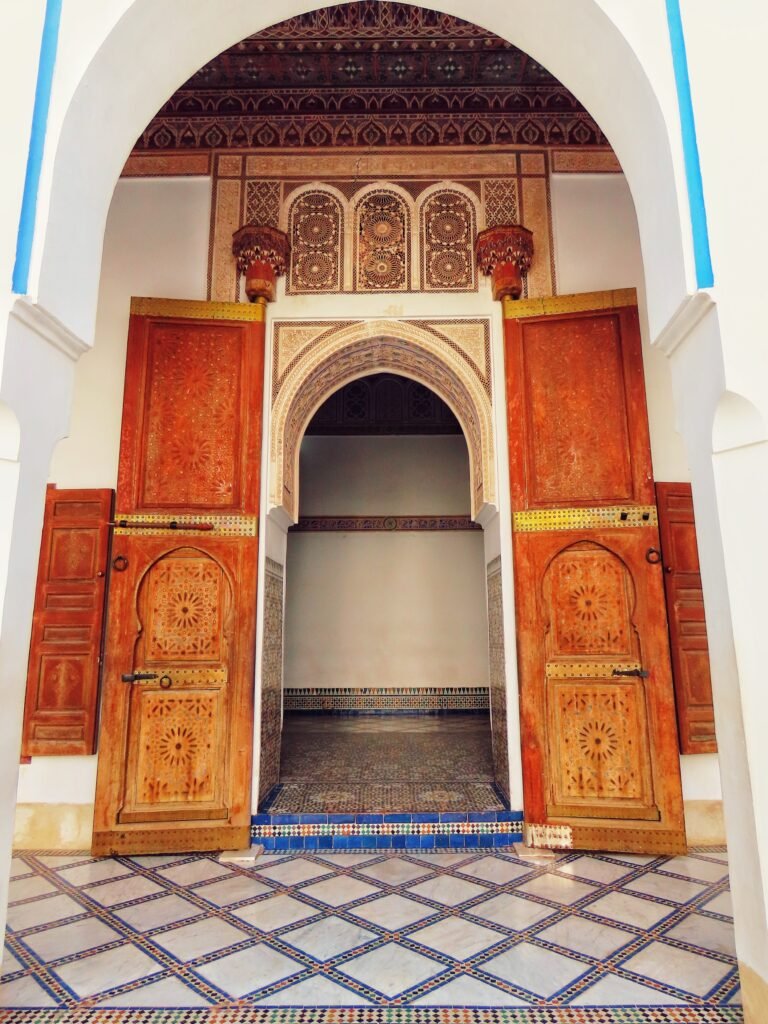

Marrakech Handmade Furniture: Authentic Craftsmanship for Distinctive Interiors

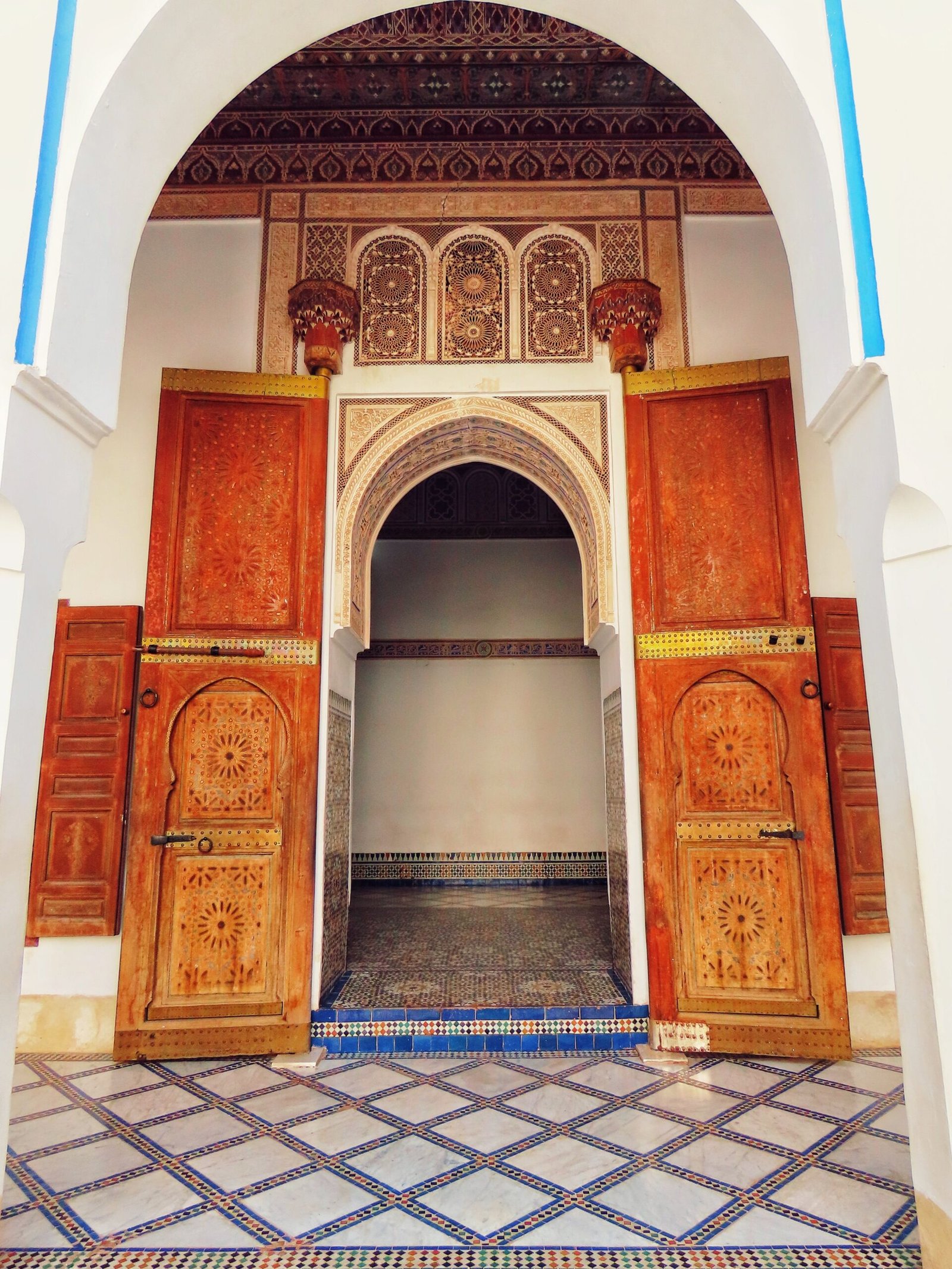
Furniture can fill a room, but truly meaningful furniture gives it identity.
Marrakech handmade furniture brings together practical function, artistic detail, natural materials, and generations of Moroccan craftsmanship. Instead of looking anonymous or mass-produced, each piece carries the character of carved wood, human skill, cultural influence, and thoughtful design.
At Tamazart Studio, this tradition is connected to Marrakech—a city known for its architecture, decorative arts, warm materials, geometric patterns, and enduring artisan culture. From hand-carved sideboards and cabinets to beds, wardrobes, doors, and custom furniture, every project begins with the idea that furniture should feel personal, purposeful, and rooted in genuine craft.
Whether you are furnishing a private home, designing a boutique hotel, sourcing pieces for a retail collection, or creating a distinctive commercial interior, Marrakech handmade furniture offers an alternative to standardized design: furniture with warmth, depth, and a story.
What Makes Marrakech Handmade Furniture Special?
Marrakech has long been a meeting point of materials, architecture, pattern, and traditional skills. Its visual language can be found in carved wooden doors, riad interiors, geometric ornament, warm earth tones, metal details, arches, textiles, and handmade decorative objects.
Furniture created within this cultural environment reflects more than a recognizable style. It reflects a way of working.
Handmade Moroccan furniture is shaped through attention, patience, and artisan judgment. Details are not simply printed onto a surface or copied by an automated production line. Proportions, carving, finishing, texture, and material character are considered as part of the whole piece.
This human involvement gives handmade furniture qualities that are difficult to reproduce industrially:
- Natural differences in wood grain and tone
- Subtle variations created through hand carving
- A stronger sense of texture and visual depth
- Greater flexibility for custom dimensions and finishes
- A closer connection between function, decoration, and craftsmanship
These variations are not imperfections. They are part of the identity of a piece made by hand.
Furniture That Carries Moroccan Heritage
Authentic Moroccan furniture is influenced by a rich combination of cultural traditions.
Amazigh design often uses strong geometry, symbolic motifs, repetition, and visual rhythm. Arab-Andalusian influence may appear through intricate patterns, architectural forms, symmetry, floral details, and refined ornament. Marrakech contributes its own atmosphere through carved wood, warm finishes, traditional buildings, artisan workshops, and a natural relationship between indoor and outdoor living.
These influences can be expressed boldly or subtly.
A richly carved cabinet may become the artistic focus of a room. A cleaner wooden sideboard may use Moroccan proportions and restrained detailing to complement a contemporary interior. A custom door may introduce arches, geometric carving, or traditional visual references without making the surrounding space feel overly decorative.
The goal is not to turn every room into a themed interior. The goal is to bring authentic Moroccan character into a space in a balanced and lasting way.
Handmade Furniture Versus Mass-Produced Furniture
Industrial furniture can be convenient, especially when buyers need a standard item quickly. However, mass production usually prioritizes repeatability, manufacturing efficiency, and broad market appeal.
Handmade furniture follows a different logic.
The maker considers the material, the intended function, the visual balance, and the individual details of the piece. This creates furniture that feels less generic and more closely connected to a specific space or purpose.
Marrakech handmade furniture can be especially valuable when:
- Standard dimensions do not suit the room
- The interior needs a distinctive focal point
- Storage requirements are specific
- The buyer wants a particular wood tone or finish
- A hotel, restaurant, boutique, or villa needs a stronger identity
- The project requires coordinated furniture rather than unrelated catalog pieces
- Cultural authenticity and artisan character matter
Choosing handmade furniture is not simply a decorative decision. It is a decision about how a space should feel.
The Beauty of Hand-Carved Wood
Carved wood changes the way furniture interacts with light.
A flat surface reflects light evenly. A carved surface creates shadow, rhythm, movement, and depth. As natural light changes during the day, the pattern can appear softer, sharper, warmer, or more architectural.
Carving can be geometric, floral, symbolic, minimal, traditional, or contemporary. The right level of detail depends on the room and the role of the furniture.
In a calm, modern interior, subtle carving can soften straight lines and add warmth. In a richly layered space, deeper ornament can support a more expressive design. For hospitality and retail interiors, carved furniture can help create memorable visual moments that guests and customers associate with the place.
Common hand-carved pieces include:
- Moroccan sideboards
- Buffet cabinets
- Storage cabinets
- Wardrobes and closets
- Beds and headboards
- Interior and entrance doors
- TV consoles
- Bookshelves
- Coffee and side tables
- Bathroom vanities
- Custom architectural furniture
Each category offers a different opportunity to combine function with Moroccan design.
Moroccan Sideboards and Cabinets
Sideboards and cabinets are among the most versatile forms of Marrakech handmade furniture.
A Moroccan sideboard can provide storage in a dining room while serving as a visual anchor. It may hold tableware, linens, books, media equipment, or everyday household objects while adding texture to the room.
A carved cabinet can work in an entryway, bedroom, living room, office, boutique, hotel suite, or reception area. Depending on its proportions, it can feel understated or dramatic.
Before selecting a sideboard or cabinet, consider:
- The available wall width
- The maximum suitable depth
- Door clearance
- Internal storage needs
- Shelf configuration
- The height of nearby furniture
- The amount of carving appropriate for the room
- The relationship between the wood finish and the floor
- Whether the piece should blend in or become a focal point
A successful piece should be beautiful, but it should also make daily life easier.
Handmade Moroccan Beds and Headboards
A bed is the largest visual element in many bedrooms. Its proportions and materials influence the atmosphere of the entire space.
A hand-carved Moroccan bed or headboard can bring architectural character without requiring excessive decoration elsewhere. The carved wood may echo arches, geometric forms, floral motifs, or traditional Moroccan patterns.
For a balanced bedroom, pair a detailed bed or headboard with quieter materials:
- Plain linen bedding
- Soft wool textiles
- Neutral plaster or painted walls
- Simple bedside tables
- Warm, indirect lighting
- Natural ceramics
- A limited palette of earthy colors
This allows the craftsmanship to remain visible without making the room feel crowded.
Custom work is particularly useful for beds because room dimensions, mattress sizes, platform preferences, and headboard heights can differ between countries and projects. These practical details should be discussed before production begins.
Moroccan Wardrobes and Storage Furniture
Storage furniture must work hard. It needs to offer useful internal organization while fitting comfortably into the architecture of the room.
A handmade Moroccan wardrobe can combine practical storage with carved doors, distinctive proportions, and a finish selected for the interior. It may be used in a private bedroom, villa, guest house, boutique hotel, or hospitality suite.
When planning a custom wardrobe, think beyond the exterior appearance. Consider:
- Hanging space
- Shelf placement
- Drawer requirements
- Door style
- Room access
- Ceiling height
- Floor level
- Handle and hardware preferences
- The objects that will actually be stored
Clear information at the beginning helps turn a decorative concept into functional furniture.
Hand-Carved Moroccan Doors
A door is not merely a passage between rooms. It is an architectural element that shapes the first impression of a space.
Moroccan wooden doors can be used for entrances, bedrooms, closets, interior passages, feature walls, restaurants, boutiques, hotels, villas, and riad-inspired projects. Carving can add depth and symbolism, while the wood introduces warmth and natural texture.
A custom Moroccan door may be designed to complement an existing opening or become a defining feature in a new project. Accurate measurements are essential, particularly when working with frames, hinges, handles, wall thickness, floor clearance, and installation requirements.
For international projects, buyers should also confirm whether they require a complete door system, a door panel, a decorative feature, or an element intended for local installation.
Natural Materials and Honest Character
Natural materials give furniture a visual and tactile quality that synthetic surfaces often struggle to imitate.
Wood has grain, tonal movement, knots, and natural variation. These characteristics make each handmade piece feel individual. Finishing can highlight the natural wood or introduce a different mood through color, depth, contrast, or a more aged appearance.
Depending on the project, Moroccan furniture may also be combined with materials such as metal, brass, stone, marble, handcrafted tile, leather, or woven elements. The appropriate choice depends on the furniture type, intended use, visual direction, and maintenance expectations.
A good material decision should consider more than appearance. Buyers should think about:
- Where the furniture will be used
- How frequently it will be handled
- Exposure to moisture or direct sunlight
- Cleaning requirements
- The desired level of natural variation
- Compatibility with the surrounding materials
Natural furniture develops character through use. Understanding this helps buyers appreciate the difference between artisan work and a factory-controlled surface.
How to Use Moroccan Furniture in a Modern Interior
Many people admire Moroccan furniture but worry that it may feel too ornate for a contemporary home.
The solution is balance.
One well-chosen piece can give a modern room warmth and identity without dominating it. A carved sideboard against a plain wall, a Moroccan cabinet beside a clean-lined sofa, or a handmade door within a minimalist hallway can create contrast that feels intentional.
Useful styling principles include:
Let one piece lead
Choose a main statement piece and allow enough visual space around it. Avoid placing several highly detailed items close together unless you are intentionally creating a layered, traditional interior.
Repeat materials, not motifs
You do not need to repeat the same carving throughout the room. Instead, connect the furniture to the space through wood tones, brass accents, stone, linen, wool, or warm lighting.
Use a restrained palette
Neutral walls and natural textiles help carved furniture stand out. Soft white, sand, clay, olive, charcoal, and muted earth tones can work particularly well.
Consider scale
A large, deeply carved cabinet may overwhelm a narrow room. A lower sideboard or more restrained design can offer the same sense of craftsmanship with better proportions.
Mix periods thoughtfully
Moroccan furniture can sit comfortably beside modern, vintage, Mediterranean, bohemian, rustic, or contemporary pieces. The connection may come from color, material, shape, or contrast.
Solving Common Buying Concerns
“I am worried the piece will be too decorative.”
Choose a simpler carving pattern, a quieter finish, or a smaller furniture form. Moroccan design does not have to be visually heavy. Restrained detailing can still carry authentic character.
“Standard furniture does not fit my room.”
Custom dimensions can help address unusual wall widths, shallow spaces, architectural niches, or specific storage needs. Measure carefully and explain how the furniture will be used.
“I do not know which style to choose.”
Start with the room rather than the product. Consider the architecture, natural light, existing materials, and the atmosphere you want to create. Inspiration images can help communicate your preferences even when you do not know the name of a particular style.
“I am ordering from another country.”
Prepare accurate measurements, photographs of the space, access information, destination details, and any installation considerations. Ask questions about the ordering process, production, finishing, shipping, and delivery responsibilities before confirming the project.
“I need several pieces to work together.”
A coordinated custom collection can create consistency across rooms or commercial spaces. Dimensions, finishes, carving language, hardware, and materials can be considered as part of one design direction.
Custom Marrakech Handmade Furniture
Custom furniture is valuable when a room, project, or design concept requires more than a standard product.
At Tamazart Studio, a custom inquiry can begin with a simple idea. You may have a detailed drawing, a mood board, an inspiration image, or only a description of what you need. The important first step is to communicate the practical and visual requirements clearly.
Useful information includes:
- Furniture type
- Approximate dimensions
- Intended use
- Room or project type
- Preferred design direction
- Desired carving level
- Wood tone or finish preference
- Storage configuration
- Quantity
- Destination country
- Residential, retail, wholesale, or professional use
Custom work can include an individual statement piece, a coordinated group of furniture, or pieces developed for a hospitality, retail, or interior design project.
Because handmade production involves natural materials and artisan processes, small differences can occur. These details are part of the character of the work and should be understood before ordering.
Furniture for Interior Designers and Architects
Design professionals often need pieces that support both the practical requirements and the visual identity of a project.
Marrakech handmade furniture can be used to create contrast, warmth, cultural depth, or a strong focal point. It can work in modern villas, boutique hotels, restaurants, retail spaces, private residences, guest houses, showrooms, and destination interiors.
For professional projects, clear communication is essential. Specifications may include:
- Overall dimensions
- Functional requirements
- Material direction
- Finish references
- Carving preferences
- Quantity
- Floor plans
- Technical drawings
- Project schedule
- Delivery location
- Installation considerations
Early coordination helps ensure that the furniture fits the architecture and the wider design concept.
Wholesale and Retail Moroccan Furniture
Retailers, concept stores, furniture businesses, procurement specialists, and hospitality buyers often look for products that offer more than visual appeal. They need a coherent story, recognizable craftsmanship, useful function, and a clear point of difference.
Handmade Moroccan furniture offers these qualities through its material presence and cultural identity.
Wholesale or trade inquiries may involve:
- Individual furniture categories
- Coordinated collections
- Custom dimensions
- Alternative finishes
- Project-specific designs
- Multiple units
- Hospitality furniture
- Retail assortment planning
Business buyers should share their market, expected quantities, preferred product types, design direction, and destination. This creates a more productive starting point for discussing what may be possible.
How to Prepare for a Custom Furniture Inquiry
You do not need to arrive with a complete technical brief. However, a few details will make the conversation easier.
Start by measuring the intended location. Record width, height, and depth, and note nearby doors, windows, switches, skirting boards, radiators, and walkways.
Next, define the function. What must the piece store or support? Who will use it? Is it intended for daily use, display, hospitality, retail, or occasional storage?
Then consider the visual direction. Collect photographs, material samples, room images, or references that communicate the atmosphere you prefer.
Finally, explain the destination and project context. Furniture for a private apartment may require different planning from furniture for a hotel, restaurant, boutique, or commercial development.
The clearer the practical information, the easier it becomes to preserve the artistic idea while creating a useful piece.
Why Authenticity Matters
Moroccan-inspired furniture is widely available, but visual imitation is not the same as authentic craftsmanship.
Authenticity comes from the relationship between origin, technique, material, design language, and human knowledge. It is not achieved simply by adding a geometric pattern to a factory-made object.
Genuine Marrakech handmade furniture carries a closer connection to Moroccan artisan culture. Its value lies in the combination of skilled hands, natural materials, cultural references, and the ability to adapt tradition to contemporary life.
For buyers, authenticity creates emotional value as well as visual impact. The furniture becomes more than a trend. It becomes part of the story of the interior.
Frequently Asked Questions
What is Marrakech handmade furniture?
Marrakech handmade furniture is furniture created by Moroccan artisans using hand-finishing, carved wood, natural materials, and design influences connected to Marrakech and wider Moroccan heritage. It may include sideboards, cabinets, beds, wardrobes, doors, tables, vanities, and custom pieces.
Is Marrakech handmade furniture suitable for modern homes?
Yes. Moroccan furniture can work beautifully in modern interiors when used with balance. A single carved cabinet, sideboard, bed, or door can bring warmth and texture to a clean contemporary room.
Can I request custom dimensions?
Custom dimensions may be discussed for made-to-order furniture. Buyers should provide accurate measurements, intended use, storage requirements, design references, and destination information.
What should I check before ordering handmade Moroccan furniture?
Check the dimensions, room access, intended function, carving style, finish direction, storage configuration, installation requirements, shipping arrangements, and the natural variations associated with handmade materials.
Are handmade variations normal?
Yes. Differences in wood grain, color, carving, and hand-finishing are natural characteristics of artisan furniture. They help distinguish handmade work from mechanically identical production.
What types of furniture can Tamazart Studio create?
Tamazart Studio focuses on handmade Moroccan furniture such as carved sideboards, cabinets, beds, wardrobes, doors, tables, storage furniture, bathroom vanities, and custom-made pieces for residential or professional projects.
Can designers, hotels, and retailers make inquiries?
Yes. Tamazart Studio welcomes inquiries from homeowners as well as interior designers, architects, hospitality businesses, boutique owners, retailers, and other professional buyers.
How should I style a hand-carved Moroccan piece?
Give the piece enough space to be appreciated. Combine it with natural textiles, neutral walls, ceramics, stone, brass, plants, or warm lighting. Avoid overcrowding the room with too many competing patterns.
Why choose handmade Moroccan furniture instead of industrial furniture?
Handmade Moroccan furniture offers individual character, artisan detail, cultural depth, and greater potential for customization. Industrial furniture is designed for repetition, while handmade work reflects natural materials and human craftsmanship.
Bring the Craftsmanship of Marrakech into Your Space
Marrakech handmade furniture offers something increasingly rare: a meaningful connection between beauty, function, material, and human skill.
A carved sideboard can transform a dining room. A handmade wardrobe can make storage feel architectural. A Moroccan bed can define the atmosphere of a bedroom. A custom wooden door can turn an ordinary passage into a memorable part of the interior.
Tamazart Studio carries the heritage of Marrakech into furniture created for homes, hotels, boutiques, restaurants, villas, retailers, and design projects around the world.
Explore the collection or contact Tamazart Studio to discuss a custom, retail, wholesale, or professional furniture inquiry shaped by authentic Moroccan craftsmanship.