

Blog
Moroccan Furniture: Handmade Heritage for Timeless Interiors

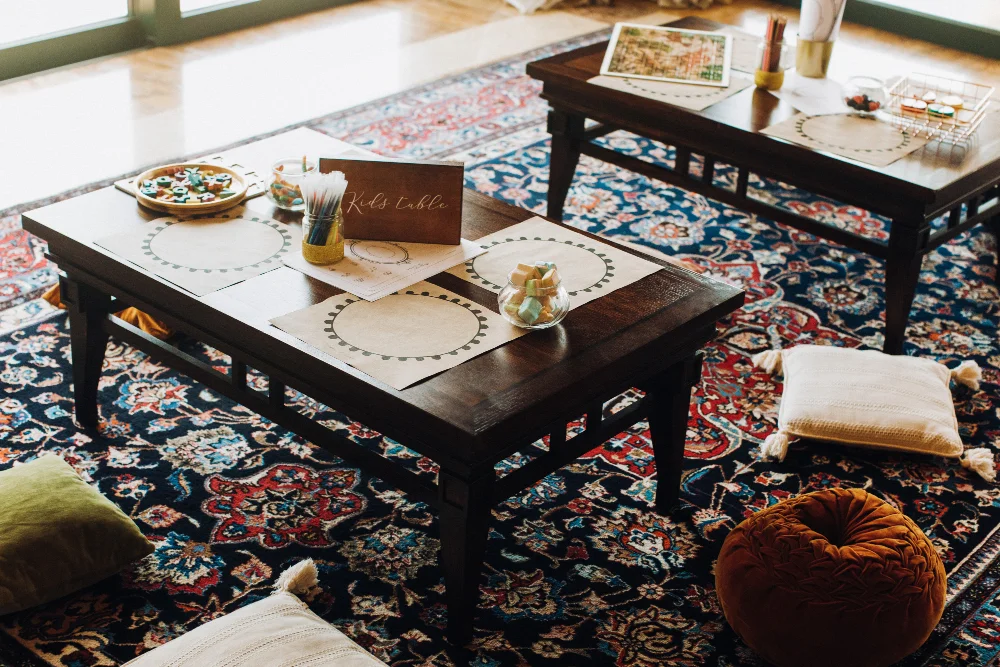
Moroccan furniture has a rare ability to make a room feel warm, soulful, and deeply personal. It is not only about filling a space with tables, cabinets, beds, doors, or sideboards. It is about bringing craftsmanship, heritage, texture, and story into everyday living.
At Tamazart Studio, Moroccan furniture is shaped by the artisan traditions of Marrakech. Each piece reflects the beauty of hand-carved wood, natural materials, and design influences rooted in Moroccan, Amazigh, and Arab-Andalusian culture. For homeowners, interior designers, boutique hotels, restaurants, retailers, and collectors, handmade Moroccan furniture offers something industrial furniture often cannot: character.
Why Moroccan furniture feels different
Authentic Moroccan furniture is known for its rich details, carved patterns, warm wood tones, geometric forms, and decorative presence. A Moroccan sideboard, cabinet, wardrobe, carved door, or bed can become the focal point of a room without feeling excessive.
The difference comes from the handwork. Every carved line, panel, curve, and finish carries the touch of the artisan. Instead of a flat, mass-produced object, you receive a piece with depth, texture, and cultural identity.
This is why Moroccan furniture works beautifully in many interiors, from traditional homes to modern apartments, boutique hotels, villas, concept stores, and hospitality spaces.
Handmade craftsmanship from Marrakech
Marrakech has long been a meeting point of craft, design, and cultural exchange. Its architecture, souks, riads, and workshops continue to inspire furniture that feels both historic and relevant.
Tamazart Studio works from this heritage. The brand’s approach is centered on handmade Moroccan craftsmanship, carved wood, natural materials, and custom work. The result is furniture designed for people who value authenticity over imitation.
A handmade Moroccan cabinet or sideboard is not only decorative. It is functional, durable in spirit, and expressive. It can store, divide, anchor, or elevate a space while adding an unmistakable artisan presence.
Popular Moroccan furniture pieces for homes and projects
Moroccan furniture can be used as statement design or as a complete interior direction. Some of the most requested pieces include:
Moroccan sideboards
A Moroccan sideboard is one of the most versatile pieces for modern interiors. It can be used in a dining room, living room, hallway, boutique, or hotel suite. Hand-carved doors and natural wood finishes make it both practical and decorative.
Moroccan cabinets
Moroccan cabinets bring storage and artistry together. They are ideal for interiors that need functional furniture without losing visual warmth. Carved panels, arched details, and traditional motifs can make a cabinet feel like a crafted architectural element.
Moroccan beds
A Moroccan bed can transform a bedroom into a calm, layered, and inviting space. Carved wooden headboards, natural textures, and custom proportions allow the bed to feel personal and connected to the room’s overall design.
Moroccan wardrobes
A handmade Moroccan wardrobe offers storage with presence. It works especially well in bedrooms, dressing areas, guest rooms, villas, and boutique accommodations where furniture should feel intentional and beautiful.
Moroccan doors
A Moroccan wooden door can become one of the strongest design features in a home or commercial project. Carved doors are often used for entrances, interior rooms, riad-inspired spaces, restaurants, studios, and hospitality interiors.
Custom Moroccan furniture
Custom work is ideal when a space needs specific dimensions, finishes, patterns, or functions. Tamazart Studio can create pieces inspired by Moroccan heritage while adapting them to the needs of modern homes and professional interiors.
How Moroccan furniture solves common interior design problems
Many interiors look polished but feel impersonal. Others feel practical but lack warmth. Moroccan furniture helps solve both problems.
A hand-carved cabinet can bring texture to a minimalist room. A Moroccan sideboard can make a plain dining area feel more complete. A carved wooden door can turn a simple transition between rooms into a design moment. A custom wardrobe can provide storage while still supporting the atmosphere of the space.
For designers and homeowners, Moroccan furniture offers a way to create interiors that feel collected, human, and meaningful.
Materials, carving, and natural beauty
One of the most important qualities of handmade Moroccan furniture is the relationship between material and technique. Wood is not treated as a blank surface. It becomes part of the design.
Carving, joinery, proportions, finishes, and decorative details all influence the final character of the piece. Natural materials also help Moroccan furniture age with warmth. Small variations in grain, tone, and handwork make each item feel individual.
This is especially important for buyers who want furniture that does not look identical to everything else on the market.
Design influences: Moroccan, Amazigh, and Arab-Andalusian heritage
Moroccan furniture is shaped by many layers of design history. Amazigh patterns, Arab-Andalusian geometry, carved wood traditions, architectural arches, and Marrakech workshop culture all influence the look and feel of each piece.
These influences can appear subtly or boldly. Some pieces are richly carved and decorative. Others are quieter, with clean proportions and small heritage details. This flexibility makes Moroccan furniture suitable for both classic and contemporary spaces.
Custom Moroccan furniture for private and professional projects
Custom furniture is one of the best ways to bring Moroccan craftsmanship into a specific interior concept. Instead of adjusting your room to a standard product, you can request a piece that fits the space, function, and atmosphere you need.
Custom Moroccan furniture may be suitable for:
Private homes
Villas
Riads
Hotels
Restaurants
Boutiques
Interior design projects
Retail displays
Hospitality suites
Showrooms
Wholesale collections
Tamazart Studio creates handmade Moroccan furniture for both retail and professional inquiries. Whether the need is one custom statement piece or a larger furniture project, the focus remains on authentic craftsmanship and thoughtful design.
Wholesale and retail Moroccan furniture
Moroccan furniture appeals to many types of buyers. Homeowners often look for one meaningful piece that brings warmth to their space. Interior designers may need custom furniture for a client project. Boutique hotel owners may want carved doors, wardrobes, sideboards, or cabinets that create a strong sense of place. Retailers may look for handmade Moroccan craftsmanship that feels distinctive and premium.
Tamazart Studio serves both retail and wholesale interests with a focus on handmade heritage furniture from Marrakech to the world.
How to choose the right Moroccan furniture piece
Start with the role of the piece. Do you need storage, a focal point, a decorative anchor, or a custom solution for a difficult space?
Then consider the room’s style. Moroccan furniture can be ornate, minimal, rustic, refined, natural, or architectural. A heavily carved sideboard may work beautifully in a simple room, while a cleaner cabinet with subtle Moroccan details may suit a modern interior.
Think about:
Room size
Storage needs
Wood tone
Carving detail
Placement
Existing materials
Lighting
Custom dimensions
Professional or residential use
The best Moroccan furniture should feel connected to the room, not forced into it.
Why choose Tamazart Studio
Tamazart Studio represents handmade Moroccan heritage furniture rooted in Marrakech craftsmanship. The brand focuses on carved wood, natural materials, custom-made pieces, and Moroccan design identity.
For buyers looking for authentic Moroccan furniture, Tamazart Studio offers more than decorative objects. It offers craft, story, and the possibility of creating furniture that feels personal, functional, and timeless.
Frequently asked questions
What makes Moroccan furniture unique?
Moroccan furniture is unique because it combines hand-carved details, natural materials, cultural patterns, and artisan techniques. Each piece often carries visual influences from Moroccan, Amazigh, and Arab-Andalusian design.
Is Moroccan furniture suitable for modern interiors?
Yes. Moroccan furniture works well in modern interiors when balanced with clean lines, neutral tones, and natural textures. A carved sideboard, cabinet, bed, or door can add warmth and character to a contemporary space.
Can Moroccan furniture be custom made?
Yes. Custom Moroccan furniture is ideal for buyers who need specific dimensions, finishes, carving styles, or functions. Tamazart Studio creates handmade pieces adapted to private homes, design projects, retail, and hospitality spaces.
What types of Moroccan furniture does Tamazart Studio create?
Tamazart Studio focuses on handmade Moroccan furniture such as sideboards, cabinets, beds, wardrobes, doors, custom furniture, carved wooden pieces, and decorative home elements.
Is Moroccan furniture good for hotels and commercial interiors?
Moroccan furniture is a strong choice for boutique hotels, riads, restaurants, villas, and retail spaces because it creates atmosphere, identity, and a memorable guest experience.
How do I request a custom piece from Tamazart Studio?
You can contact Tamazart Studio through the website to discuss your project, preferred furniture type, dimensions, design direction, and intended use.
Conclusion
Moroccan furniture brings together beauty, function, culture, and craftsmanship. It is made for people who want interiors with warmth, identity, and lasting presence.
From carved Moroccan sideboards and cabinets to beds, wardrobes, doors, and custom furniture, Tamazart Studio carries the heritage of Marrakech craftsmanship into homes and professional spaces around the world.
To explore handmade Moroccan furniture or request a custom piece, visit Tamazart Studio and share your project vision.